
Our Vision


Latest News

Leading by Example
Iognáid Ó Muircheartaigh (Iggy) has been involved with Galway Rape Crisis Centre in a voluntary capacity for a number of years and is the current Chairperson on GRCC’s Board of Management.
Read More
WIN €100,000 IN GALWAY RAPE CRISIS CENTRE FUNDRAISER
The Galway Rape Crisis Centre has just launched a hugely exciting fundraiser to win an amazing €100,000. Our ‘WIN100GRAND.IE’ draw will see one lucky winner walk away with a life changing prize with all proceeds going to the development of a new state of the art building and home to the Galway Rape Crisis Centre […]
Read More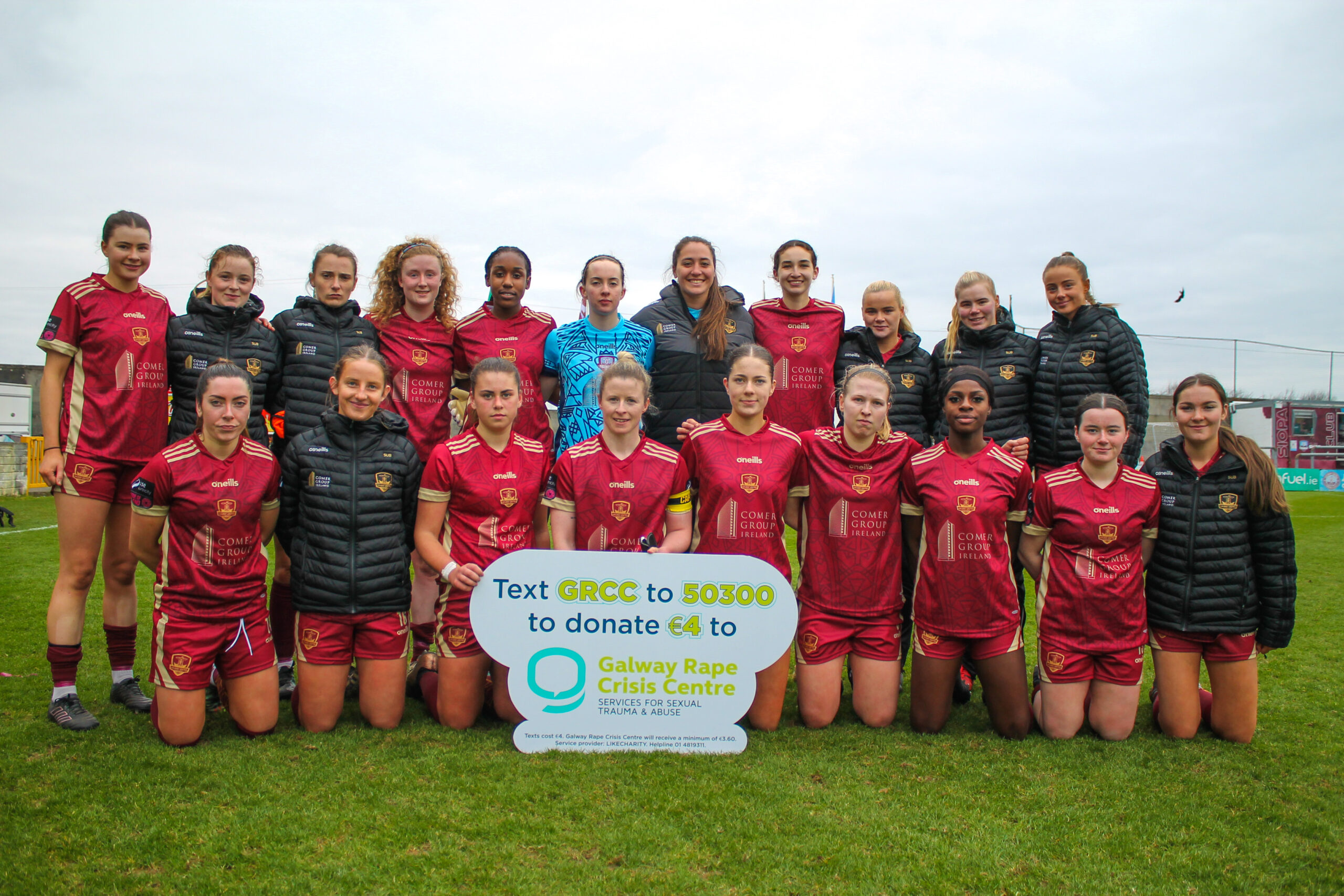
Galway Rape Crisis Centre’s Text Donate Campaign
Together We Are Stronger. Together We Are United As members of the Galway United senior women’s football team, we feel it’s fitting to support our local community and the organisations that make it a better place. That’s why we are proud Ambassadors for Galway Rape Crisis Centre (GRCC) and delighted to be involved in the […]
Read More
Come Dine With Me for GRCC
Come Dine With Me for GRCC in association with Collerans Butchers Galway Friday 8th July to Saturday 3rd September 2022. Galway Rape Crisis Centre (GRCC) with the support of Collerans Butchers are asking you to host a BBQ, Garden Party, Picnic, Family Fun Lunch, or Al Fresco Fine Dining Experience, Breakfast, Brunch, whatever takes your […]
Read MoreHow can we help?

Helpline

Read more

Counselling

Read more

Accompaniment & Advocacy
We provide an advocacy service which includes support and accompaniment by trained personnel to guide you through the legal system, Health Services and other agencies
Read more

Training & Education
We develop and deliver programmes and services to educate people and help prevent future instances of sexual violence and abuse.
Read more
How can you help us?

Volunteer
Our volunteers are essential to delivering GRCC services. Choosing to volunteer with us you can make an enormous difference in the lives of survivors.
Read More

Leave a Gift in Your Will
By leaving a gift in your will you can create a better future for survivors of sexual abuse.
Read More

Events & Campaigns
Fundraising is a vital source of income for GRCC. Your support is what makes this happen, we still need You.
Read More

Corporate Partnerships
Becoming a Corporate Partner of Galway Rape Crisis Centre offers a unique opportunity to engage both customers and staff, and helps GRCC develop sustainable pathways to providing essential services to survivors of sexual abuse
Read More
Need to contact Galway Rape Crisis Centre?



Donate to Galway Rape Crisis Centre